Employee Login


What Does a Home Security Officer Do?
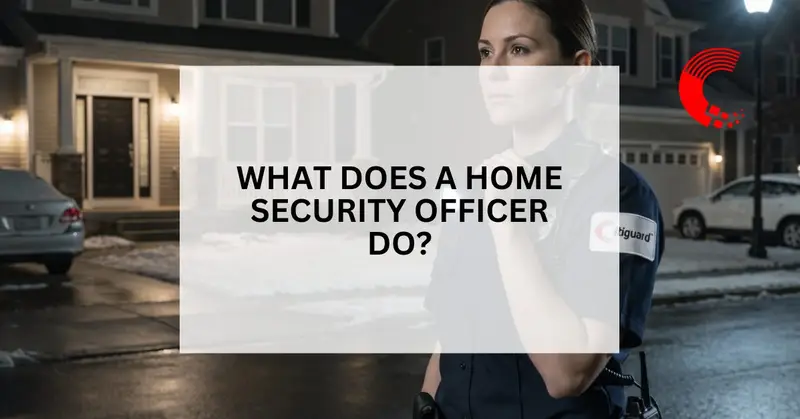
When it comes to protecting what matters most (your family, your home, and your peace of mind) a home security officer plays a vital role. In California’s residential neighborhoods and gated communities, professional residential security goes beyond cameras and alarms. It’s about trained presence, proactive prevention, and rapid response tailored to private living environments.
The Role of a Home Security Officer
A home security officer is a trained professional assigned to protect private residences, neighborhoods, or gated communities. Unlike general patrols that cover broad commercial areas, residential officers focus on the unique rhythms and risks of homes, quiet hours, visitor access, and community safety.
Their mission is simple: prevent incidents before they happen and respond calmly and effectively when they do.
Why Home Security Matters in California Neighborhoods
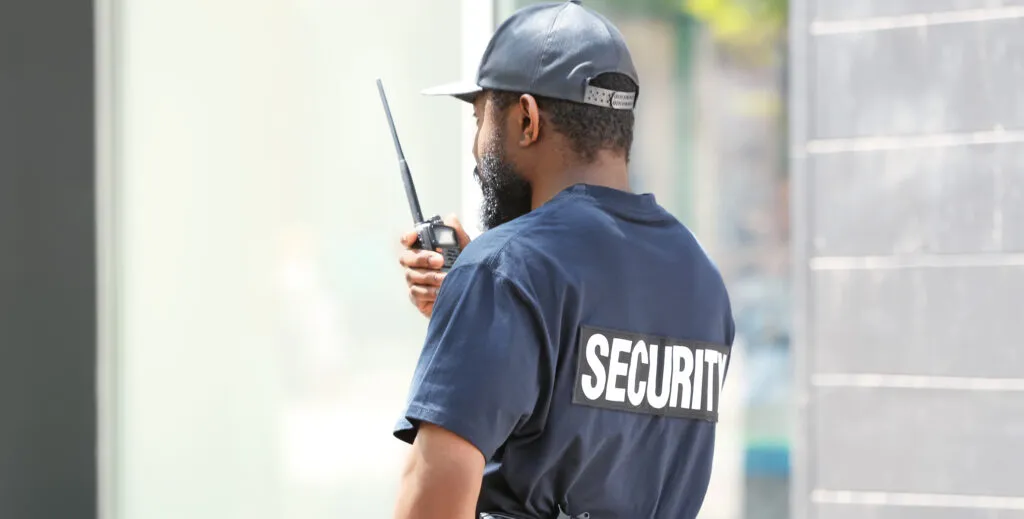
California communities range from dense urban neighborhoods to quiet suburban enclaves. While each is different, they share common concerns: burglary, package theft, unauthorized access, and nighttime disturbances. During holidays and peak travel seasons, homes can be especially vulnerable.
A visible home security officer helps deter crime, reassures residents, and provides a consistent point of contact for safety concerns.
Core Responsibilities of a Home Security Officer
1. Perimeter Checks and Property Monitoring
One of the most important duties of a home security officer is conducting perimeter checks. Officers regularly inspect:
- Gates, fences, and access points
- Driveways and parking areas
- Common spaces and building entrances
These checks identify vulnerabilities early (such as broken locks or poor lighting) before they become security incidents.
2. Visitor Monitoring and Access Control
In gated communities or private estates, visitor monitoring is essential. Home security officers:
- Verify guest access and credentials
- Enforce community entry rules
- Prevent unauthorized individuals from entering residential areas
This controlled access reduces the risk of trespassing and unwanted activity while maintaining a welcoming environment for residents and guests.
3. Alarm Response and Incident Handling
When alarms are triggered (whether from a home system or community sensors) a home security officer provides immediate response. Officers assess the situation, secure the area, and contact emergency services if needed.
This rapid, on-site response is often faster than relying on remote monitoring alone and can prevent minor issues from escalating.
4. Neighborhood Patrols and Visible Deterrence
Regular neighborhood patrols are a cornerstone of residential security. Officers patrol on foot or by vehicle, creating a visible presence that discourages criminal activity.
These patrols are especially effective at night and during periods when residents are away, offering reassurance that someone is actively watching over the community.
5. Communication and Resident Support
Home security officers often become familiar, trusted figures within a community. They:
- Communicate safety updates
- Respond to resident concerns
- Document incidents and observations
Clear reporting helps property managers and homeowners make informed decisions about safety improvements.
What a Home Security Officer Is Not
Home security officers are not police officers. They do not conduct criminal investigations or issue citations. Instead, they focus on prevention, observation, and coordination—working with local law enforcement when a situation requires official intervention.
This distinction is important for maintaining compliance with California regulations while still providing effective protection.
Choosing Professional Residential Security Services
Not all residential security is the same. Professional providers offering residential security services supply trained officers who understand privacy, de-escalation, and California-specific compliance standards.
Many communities also integrate broader security guard services to scale coverage during holidays, events, or heightened risk periods.
For regulatory oversight, residential security officers in California are licensed through the Bureau of Security and Investigative Services (BSIS), which sets training and compliance requirements for private security professionals.
Peace of Mind Starts With Presence
A home security officer does more than patrol, they provide reassurance. For families and communities, knowing that a trained professional is actively monitoring the area brings peace of mind that technology alone can’t match.
If you live in a gated community or residential neighborhood in California, professional home security can help protect your property, your loved ones, and your sense of safety.
1. What does a home security officer do daily?
A home security officer performs perimeter checks, monitors visitor access, patrols the neighborhood, responds to alarms, and documents incidents. Their daily routine focuses on prevention, visibility, and quick response to protect residents and property.
2. Are home security officers only for gated communities?
No. While gated communities commonly use home security officers, private estates, apartment complexes, and residential neighborhoods also benefit. Any area seeking added protection, deterrence, and peace of mind can use residential security services.
3. Can a home security officer respond to emergencies?
Yes. Home security officers respond immediately to alarms or incidents, assess the situation, and contact emergency services when needed. They help manage the scene until police or fire responders arrive.
4. How is a home security officer different from an alarm system?
An alarm system alerts you to a problem, while a home security officer provides a physical, on-site response. Officers can investigate alerts, deter intruders through presence, and address issues that technology alone cannot.
5. Are home security officers licensed in California?
Yes. Home security officers must be licensed and trained under California regulations through the Bureau of Security and Investigative Services. This ensures they meet professional standards for safety, conduct, and compliance.