Employee Login


Armed vs. Unarmed Security Guards: Which One Is Right for Your Business?
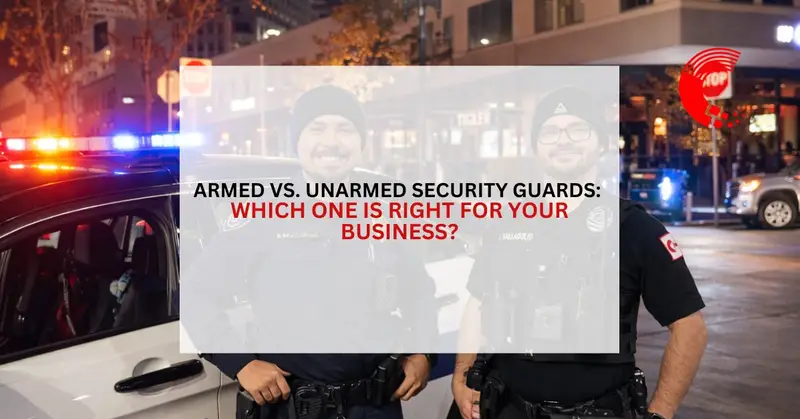
Choosing the right security solution can be challenging for business owners and property managers. One of the most common questions is understanding the difference between armed and unarmed security guard services and determining which option provides the right level of protection without unnecessary costs.
While both armed and unarmed security guards play important roles in protecting people and property, they serve different purposes and are designed for different risk levels. Understanding their responsibilities, training requirements, and ideal use cases can help businesses make a more informed decision.
Why the Right Security Choice Matters
Every business faces unique security challenges. A retail center with high customer traffic has different concerns than a construction site, warehouse, or corporate office.
Choosing a security solution that is too limited may leave vulnerabilities unaddressed. On the other hand, selecting a higher level of protection than necessary can increase costs without delivering additional value.
The goal is to match security coverage to the actual risks of the property.
What Is an Unarmed Security Guard?
Unarmed security guards focus on prevention, visibility, and incident management. Their primary role is to deter criminal activity through presence and observation rather than force.
Typical responsibilities include:
- Access control and visitor verification
- Property patrols
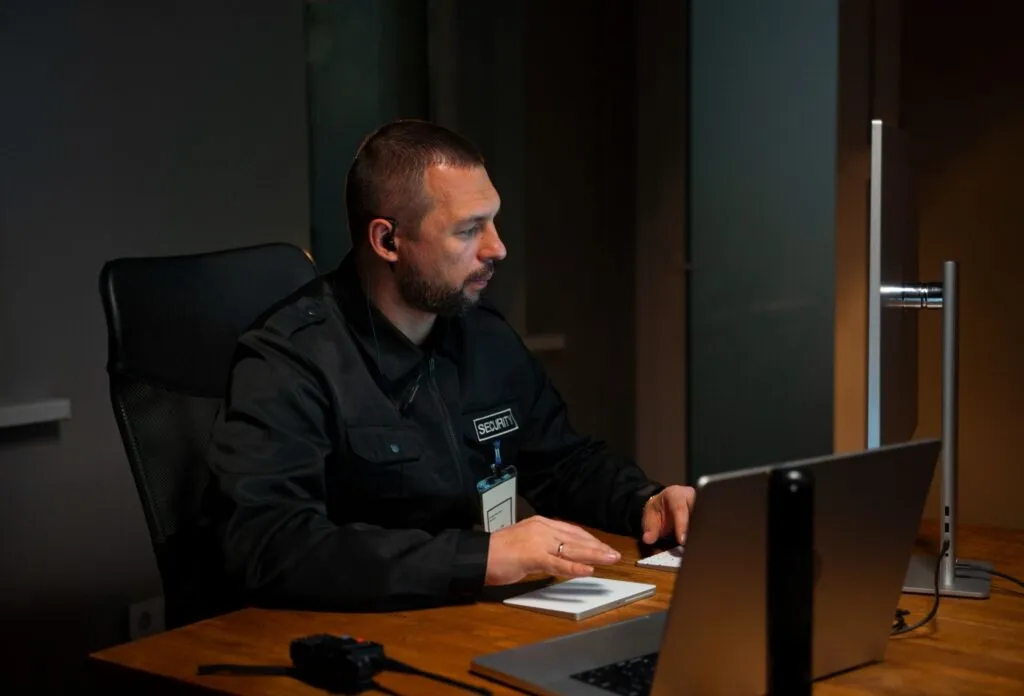
- Monitoring surveillance systems
- Reporting incidents and suspicious activity
- Assisting employees, customers, and visitors
For many commercial properties, apartment communities, hotels, and office buildings, unarmed security provides an effective and professional security solution.
Businesses often rely on professional security guard services when they need a visible security presence without introducing a higher level of force into the environment.

What Is an Armed Security Guard?
Armed security guards perform many of the same duties as unarmed guards but carry a firearm and receive additional training and certification.
Armed security is generally reserved for locations with elevated security concerns, such as:
- High-value asset facilities
- Financial institutions
- Critical infrastructure sites
- Certain industrial facilities
- Properties with documented security threats
The firearm serves as a last-resort defensive tool, not a primary method of handling incidents.
California Training and Licensing Requirements
One of the biggest differences between armed and unarmed security guards involves training and licensing.
Unarmed Security Guards
In California, unarmed guards must:
- Obtain a valid Guard Card
- Complete state-required training
- Meet licensing requirements established by the Bureau of Security and Investigative Services
Armed Security Guards
Armed guards must complete all standard guard requirements plus:
- Firearms training
- Range qualification
- Additional background review
- Ongoing firearms certification requirements
The California Bureau of Security and Investigative Services provides detailed requirements for both guard classifications and regulates the private security industry statewide.
Comparing Responsibilities
Unarmed Security Responsibilities
Unarmed guards are ideal for:
- Customer-facing environments
- Office buildings
- Apartment complexes
- Hotels
- Retail centers
Their focus is on:
- Deterrence
- Observation
- Reporting
- Conflict de-escalation
Armed Security Responsibilities
Armed guards are often assigned to:
- High-risk facilities
- Sensitive operations
- Asset protection assignments
Their responsibilities include:
- Advanced threat deterrence
- High-risk security response
- Protection of valuable assets
Even in these environments, the primary objective remains prevention rather than confrontation.
Cost Considerations
Cost is often a major factor when choosing between armed and unarmed security.
Armed security services generally cost more because they require:
- Additional licensing
- Specialized training
- Higher insurance requirements
- Ongoing firearms qualifications
For many businesses, unarmed security provides sufficient protection while remaining more budget-friendly.
However, organizations facing elevated threats may find that investing in professional armed security services offers greater peace of mind and risk mitigation.
Which Industries Benefit Most From Each Option?
Best Applications for Unarmed Security
- Apartment communities
- Hotels
- Retail stores
- Office parks
- Educational facilities
Best Applications for Armed Security
- Financial institutions
- Construction sites with repeated theft
- Industrial facilities
- High-value inventory locations
- Executive protection assignments
The best choice depends on a property’s specific risks, not simply its size or industry.
Why a Security Assessment Is Important
Rather than choosing security based on assumptions, businesses should start with a professional risk assessment.
Factors that influence the decision include:
- Crime rates in the area
- Property layout
- Business hours
- Public access levels
- Asset value
- Previous incidents
A security assessment helps determine whether armed or unarmed personnel provide the most effective and cost-efficient protection.
Choosing the Right Protection for Your Business
There is no universal answer when comparing armed and unarmed security guards. The right solution depends on your property’s unique risks and operational needs.
Many California businesses discover that unarmed security provides excellent protection through visibility, patrols, and incident prevention. Others require the additional capabilities that armed security offers. By working with an experienced security provider, businesses can develop a customized security plan that balances protection, professionalism, and budget considerations.
If you’re unsure which option is right for your organization, a professional security consultation can help identify the best solution for your property and risk profile.
1. What is the difference between armed and unarmed security guards?
The primary difference is that armed security guards carry firearms and receive additional training and licensing. Unarmed guards focus on deterrence, patrols, access control, and incident reporting without carrying a weapon.
2. Do armed security guards have more authority than unarmed guards?
No. Both armed and unarmed guards operate under the same legal authority as private security professionals. Armed guards simply have additional training and equipment to respond to higher-risk situations.
3. When should a business hire armed security?
Businesses should consider armed security when they face elevated risks, protect valuable assets, operate in higher-threat environments, or have documented security concerns that warrant enhanced protection.
4. Are unarmed security guards effective at preventing crime?
Yes. Unarmed security guards are highly effective deterrents. Their visibility, patrols, access control procedures, and ability to identify suspicious behavior often prevent incidents before they occur.
5. How do I know which type of security my business needs?
The best approach is to conduct a professional security assessment. Factors such as location, operating hours, property type, asset value, and previous incidents help determine the appropriate level of protection.