

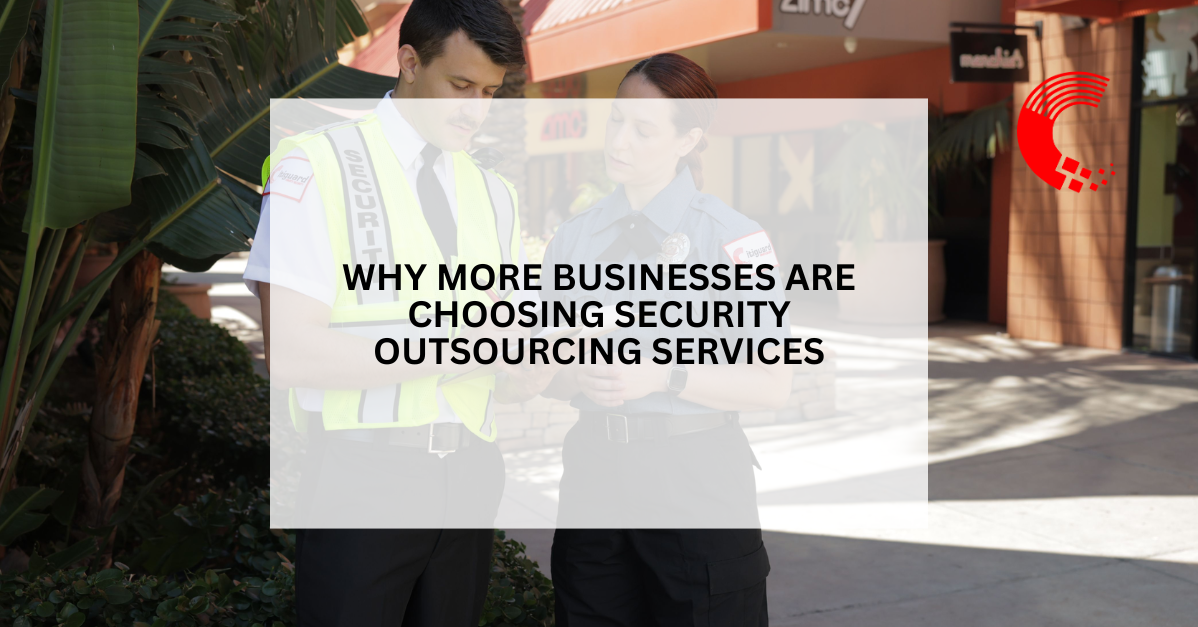
Hiring, training, and managing a security team sounds simple until a business actually tries to do it. Between recruiting, background checks, uniforms, payroll, and ongoing supervision, an in-house security department quietly becomes one of the more expensive and time-consuming parts of running a company. That is why a growing number of California businesses are turning to security outsourcing services instead of building a team from scratch.
Outsourcing puts protection in the hands of a company that already has the guards, the training programs, and the licensing in place. The business gets the coverage without the overhead, and the security provider handles the parts that most owners never wanted to manage in the first place.
The Hidden Cost of an In-House Security Team
An hourly wage looks manageable on paper, but it rarely tells the whole story. Recruiting takes time, background checks and licensing add cost, and every guard needs uniforms, equipment, and ongoing training to stay current. Add sick days, turnover, and the administrative work of scheduling shifts around vacations and call-outs, and the true cost of an internal team climbs well past the number on a paycheck.
Lower Overhead Without Losing Coverage
Outsourcing converts all of those unpredictable expenses into a single, predictable service agreement. There is no payroll to run, no benefits to manage, and no equipment to purchase. Businesses pay for the coverage they need and let the security company absorb the operational costs that come with staffing a team.
Scalable Staffing That Matches Your Business
Security needs rarely stay the same month to month. A retail location may need extra coverage during the holidays, while an office park might only need a guard during business hours. Outsourced security scales up or down with demand, so businesses are never paying for guards they do not need or scrambling to find one during a busy stretch.

24/7 Coverage Without the Scheduling Headache
Round-the-clock protection means someone always has to be on shift, and building that kind of schedule internally takes real coordination. Outsourced providers already run overlapping shifts and backup staffing, so a property gets continuous coverage without a manager having to juggle calendars every week.
Compliance and Training Handled For You
California has specific licensing and training requirements for security personnel, overseen by the Bureau of Security and Investigative Services. A professional security company keeps its guards current on Guard Card requirements and ongoing training, so businesses do not have to track compliance on top of everything else they manage.
Access to Experienced, Well-Trained Professionals
Outsourcing also means access to guards who already know how to de-escalate a situation, run a proper patrol, and document an incident correctly. Rather than training someone from the ground up, businesses tap into a team with existing experience across a range of industries, from retail to corporate campuses.

Is Outsourcing Right for Your Business?
Outsourcing tends to make the most sense for businesses that want reliable coverage without taking on the cost and complexity of running a security department themselves. It also gives owners the flexibility to adjust coverage as the business grows, moves locations, or faces a seasonal spike in foot traffic.
If your business is weighing the cost of building an internal team against a customized outsourced security solution, a quick consultation can help you compare both paths side by side and find the right level of coverage for your budget.
1. Is outsourcing security cheaper than hiring in-house guards?
In most cases, yes. Outsourcing removes the costs of recruiting, training, uniforms, benefits, and payroll administration. Businesses pay one predictable rate for coverage, while the security company absorbs the overhead of staffing, supervising, and training its own guards.
2. Can outsourced security scale up during busy seasons?
Yes. Outsourced providers can add or reduce guard coverage as needs change, whether that means extra staffing during the holidays or a temporary increase for a special event. This flexibility is one of the main advantages over maintaining a fixed in-house team.
3. Are outsourced security guards licensed in California?
Reputable security companies employ guards who hold a valid Guard Card and meet all training requirements set by the Bureau of Security and Investigative Services. Always confirm licensing and insurance before signing an agreement with any provider.
4. What types of businesses benefit most from outsourcing security?
Retail stores, office parks, apartment communities, and construction sites are common examples, but any business that wants professional coverage without managing a department internally can benefit. The right fit depends on the property’s size, risk level, and coverage hours.