

Hospitals are among the most complex environments to secure. They operate around the clock, welcome thousands of visitors each week, and must balance accessibility with safety. From emergency departments and patient care units to visitor entrances and parking facilities, healthcare organizations face a wide range of security challenges.
Understanding common hospital safety issues and solutions is essential for healthcare administrators seeking to protect patients, visitors, and staff while maintaining a positive care environment. Professional healthcare security plays a critical role in helping hospitals reduce risk, improve response times, and create safer facilities throughout California.
Why Hospital Security Is More Important Than Ever
Healthcare facilities are unique because they serve people during stressful, emotional, and sometimes life-threatening situations. This can increase the likelihood of security incidents that affect both staff and patients.
Common hospital safety concerns include:
- Workplace violence and aggressive behavior
- Unauthorized access to restricted areas
- Visitor management challenges
- Medical emergencies requiring rapid coordination
- Theft of equipment, medications, or personal belongings
Because hospitals never truly close, security strategies must remain effective 24 hours a day.

Workplace Violence Prevention
One of the most significant safety concerns facing healthcare facilities today is workplace violence.
Healthcare workers frequently interact with:
- Individuals experiencing emotional distress
- Patients under the influence of substances
- Family members dealing with difficult situations
These circumstances can occasionally lead to confrontations.
Professional healthcare security personnel help reduce risk through:
- Visible presence in high-traffic areas
- Early identification of escalating behavior
- Verbal de-escalation techniques
- Rapid response to incidents
Many California healthcare organizations utilize specialized healthcare security services to support staff and maintain a safer environment.
Access Control and Restricted Areas
Hospitals contain numerous sensitive locations that require controlled access, including:
- Patient care units
- Pharmacies
- Laboratories
- Data and records departments
- Staff-only areas
Security officers help ensure that only authorized individuals can enter these spaces.
Effective access control procedures may include:
- Visitor verification
- Employee credential checks
- Monitoring entry points
- Responding to unauthorized access attempts
These measures protect patients, staff, and critical healthcare operations.
Visitor Management and Patient Protection
Hospitals receive a constant flow of visitors, vendors, contractors, and delivery personnel. Managing this activity is essential for maintaining safety and privacy.
Security professionals assist by:
- Monitoring visitor entry points
- Providing directions and assistance
- Enforcing facility policies
- Identifying suspicious behavior
Strong visitor management procedures help create a safer environment while maintaining a welcoming experience for families and guests.
Emergency Response and Incident Coordination
Hospitals must be prepared to respond quickly to a wide variety of emergencies.
These may include:
- Medical emergencies
- Security incidents
- Facility evacuations
- Fire alarms
- Natural disasters
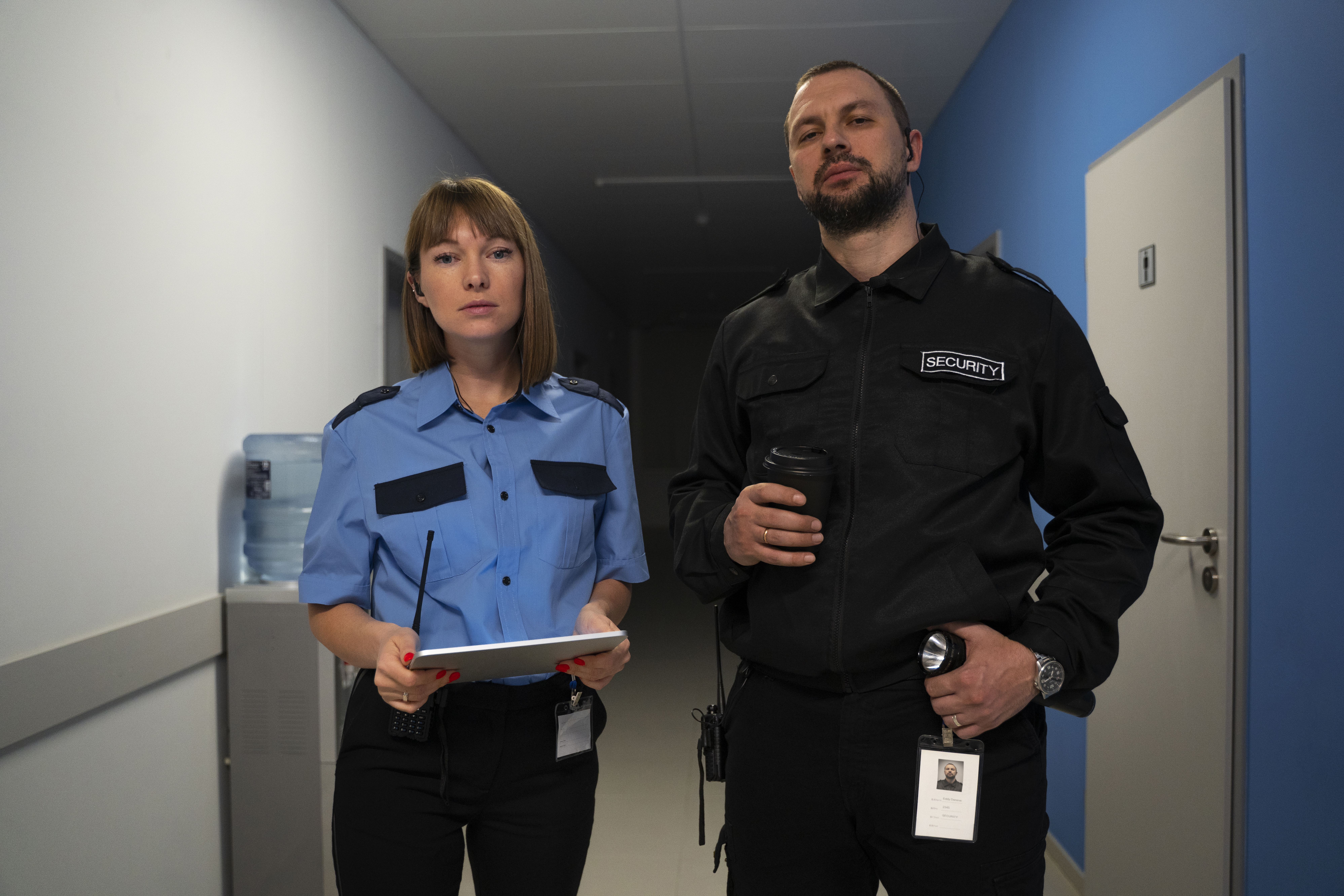
Security officers often serve as a key part of emergency response teams.
Their responsibilities may include:
- Coordinating with emergency services
- Assisting with evacuation procedures
- Securing affected areas
- Managing crowd movement
Facilities that combine healthcare security with professional fire watch services can also strengthen protection during temporary fire system outages or construction projects.
De-Escalation: A Critical Security Skill
One of the most valuable skills healthcare security officers bring to a hospital environment is de-escalation.
Unlike many other industries, healthcare security often requires officers to manage situations involving:
- Emotional distress
- Mental health concerns
- Family disputes
- High-stress patient interactions
The goal is to resolve issues calmly and safely whenever possible.
Professional de-escalation training helps reduce the likelihood of physical confrontations while improving outcomes for everyone involved.
Security Supports Better Patient Care
Security is not separate from healthcare, it supports healthcare.
When employees feel safe:
- Staff can focus on patient care
- Visitors feel more comfortable
- Operations run more smoothly
- Patients experience a more secure environment
This connection between security and patient satisfaction is why many healthcare organizations view security as an essential operational function rather than simply a protective service.
For additional guidance on workplace violence prevention in healthcare settings, the California Department of Industrial Relations provides resources and regulatory information that healthcare employers can use to strengthen safety programs.
Building Safer Healthcare Environments
Hospitals face unique challenges that require specialized security solutions. From preventing workplace violence and managing visitors to controlling access and responding to emergencies, professional security personnel help healthcare organizations maintain safe and effective operations.
By investing in trained healthcare security professionals, hospitals can better protect patients, visitors, staff, and critical assets while supporting the overall mission of delivering quality care.
For California healthcare facilities seeking a proactive approach to safety, a professional security consultation can help identify vulnerabilities and develop a customized protection strategy.
1. What are the most common hospital safety issues?
Common hospital safety issues include workplace violence, unauthorized access, visitor management challenges, theft, and emergency response coordination. These concerns can affect patients, staff, and healthcare operations if not properly addressed.
2. How does security help prevent workplace violence in hospitals?
Security officers help identify escalating situations early, use de-escalation techniques, maintain a visible presence, and respond quickly to incidents. Their involvement helps create a safer environment for healthcare workers and patients.
3. Why is visitor management important in healthcare facilities?
Visitor management helps control access to sensitive areas, protect patient privacy, and maintain a secure environment. It also ensures that visitors receive appropriate guidance while following hospital policies.
4. What role do security officers play during hospital emergencies?
Security officers assist with emergency response by coordinating with first responders, securing affected areas, helping with evacuations, and maintaining order during critical situations.
5. Are healthcare security guards different from traditional security guards?
Yes. Healthcare security officers often receive specialized training in de-escalation, patient interaction, workplace violence prevention, and healthcare facility operations to address the unique challenges hospitals face.