Employee Login


Hotel Security Management: Ensuring Guest Safety and Satisfaction
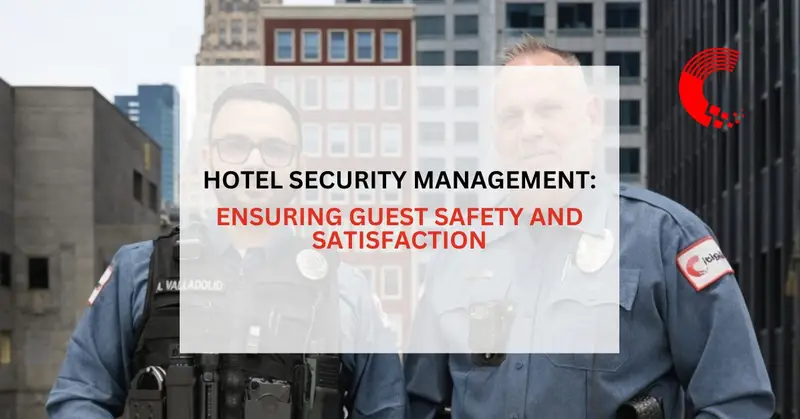
In California’s thriving hospitality industry (from Los Angeles and San Diego to San Francisco and resort destinations) guest expectations go beyond comfort and service. Safety plays a critical role in the overall experience. This is where hotel security management becomes essential.
Effective hotel security is not just about preventing incidents. It’s about creating an environment where guests feel safe, staff can operate confidently, and hotel operations run smoothly, especially during peak travel seasons when occupancy and activity levels are high.
Why Hotel Security Management Matters
Hotels are unique environments. They are open to the public while also serving as private spaces for guests. This balance creates a complex security landscape that requires careful planning and execution.
Common challenges hotels face include:
- Unauthorized access to guest floors
- Theft or loss of personal belongings
- Disruptive behavior in shared spaces
- Emergency situations such as medical incidents or fire risks
A well-structured security approach helps prevent these issues while maintaining a welcoming atmosphere.
Key Components of Effective Hotel Security Management
1. Surveillance Systems and Monitoring
Modern hotels rely on surveillance systems to monitor activity across key areas, including:
- Entrances and exits
- Lobbies and reception areas
- Hallways and elevators
- Parking facilities
These systems provide real-time visibility and recorded footage that can be used to investigate incidents. However, surveillance alone is not enough, trained personnel are needed to interpret and respond to what they see.
Professional security guard services complement surveillance by providing on-site presence and immediate action when necessary.
2. Access Control and Guest Safety
Access control is essential for maintaining guest privacy and safety. Hotels must ensure that only authorized individuals can access certain areas, such as guest floors, staff-only zones, and restricted facilities.
Security measures may include:
- Key card access systems
- Monitoring entry points
- Verifying visitors and non-registered individuals
These controls help prevent unauthorized access while maintaining a smooth guest experience.
3. Staff Coordination and Training
Security is a team effort in hotel environments. Front desk staff, housekeeping, and management all play a role in maintaining safety.
Security personnel work closely with staff to:
- Identify suspicious activity
- Respond to guest concerns
- Coordinate during emergencies
Clear communication between teams ensures that issues are handled quickly and professionally without disrupting operations.
4. Emergency Planning and Response
Hotels must be prepared for a wide range of emergencies, including fire incidents, medical situations, and security threats.
Effective hotel security management includes:
- Emergency response protocols
- Evacuation procedures
- Coordination with local authorities
Trained security personnel help guide guests and staff during emergencies, ensuring a calm and organized response.
Many hotels also integrate specialized services such as fire watch security when systems are under maintenance or during renovations.
5. Customer Service and Guest Interaction
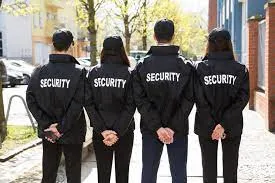
One of the most important aspects of hotel security is maintaining a balance between safety and hospitality. Security guards are often the first point of contact for guests entering the property.
Professional security personnel:
- Greet guests and provide assistance
- Offer directions or support when needed
- Handle situations with professionalism and discretion
This approach enhances the guest experience while reinforcing a sense of safety.
The Impact on Guest Experience and Reputation
Guests are more likely to return to a hotel where they feel safe. Positive experiences lead to better reviews, higher occupancy rates, and stronger brand reputation.
On the other hand, security incidents can quickly damage trust and impact long-term success. Investing in proper security management helps hotels maintain consistency, reliability, and guest satisfaction.
For broader hospitality safety standards, organizations like the American Hotel & Lodging Association provide industry guidance on best practices for guest safety and operations.

Partnering With the Right Security Provider
Hotel security requires more than basic coverage, it requires a tailored approach that aligns with the property’s layout, guest demographics, and operational needs.
Professional security providers act as partners, helping hotels:
- Assess risks
- Implement effective security strategies
- Maintain compliance with safety standards
In California’s competitive hospitality market, having the right security partner can make a meaningful difference in both safety and service quality.
Create a Safe and Welcoming Environment
Hotel security management is about more than protection, it’s about trust. Guests expect to feel safe from the moment they arrive to the moment they leave.
By combining trained personnel, proper systems, and clear procedures, hotels can create an environment where safety and satisfaction go hand in hand.
If you operate a hotel or hospitality property in California, investing in professional security solutions is a key step toward protecting your guests, your staff, and your reputation.
What is hotel security management?
Hotel security management involves planning and implementing safety measures to protect guests, staff, and property. This includes surveillance, access control, emergency planning, and on-site security personnel.
Why is security important in hotels?
Security ensures guest safety, prevents theft or unauthorized access, and helps maintain a positive experience. A secure environment also protects the hotel’s reputation and operational stability.
Do hotels need security guards if they have cameras?
Yes. Cameras provide monitoring, but security guards offer real-time response and visible deterrence. Combining both creates a more effective security strategy.
How do security guards improve guest experience?
Security guards provide assistance, maintain order, and create a safe atmosphere. Their presence reassures guests while ensuring issues are handled quickly and professionally.
What should hotels look for in a security provider?
Hotels should choose providers with experience in hospitality, strong training standards, and the ability to tailor services to the property’s needs. Professionalism and customer service are key factors.