Employee Login

What Is the Work of a Security Guard and How to Secure a Construction Site
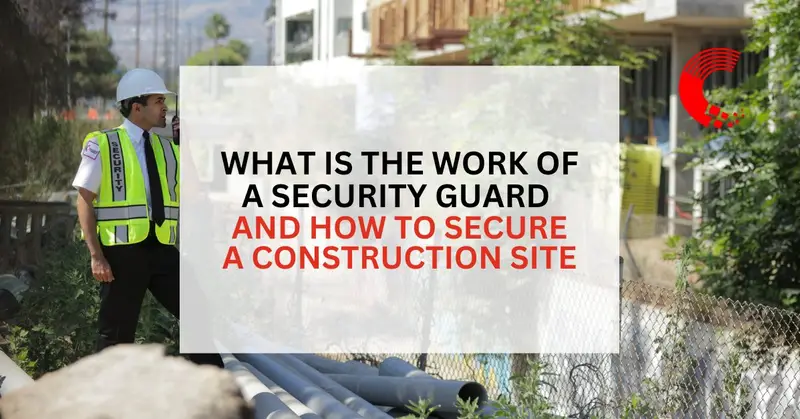
Construction sites are some of the most vulnerable properties in California. Expensive equipment, open perimeters, and rotating crews make them prime targets for theft, vandalism, and safety incidents, especially during peak building seasons. That’s why understanding what is the work of a security guard and how to secure a construction site is critical for developers, contractors, and property owners.
What Is the Work of a Security Guard?
At its core, the work of a security guard is prevention. Guards are not just there to react to incidents, they are trained to deter problems before they happen. On construction sites, this role becomes even more specialized due to safety regulations, equipment value, and liability risks.
A professional security guard is responsible for:
- Monitoring people and vehicles entering and exiting the site
- Enforcing site rules and restricted access zones
- Identifying suspicious activity early
- Coordinating with site managers and law enforcement when needed
In California, guards must operate within strict compliance standards, making training and experience especially important in construction environments.
How to Secure a Construction Site Effectively
Securing a construction site requires more than fencing and warning signs. It’s a layered approach that combines physical presence, procedures, and communication.
1. Access Control and Visitor Management
One of the most important security guard responsibilities is access control. Guards verify credentials, log visitors, and prevent unauthorized individuals from entering the site. This is essential for:
- Preventing theft of materials and tools
- Reducing safety risks from untrained visitors
- Maintaining compliance with California job-site regulations
Without proper access control, even a brief lapse can lead to costly losses or injuries.
2. Patrols and Perimeter Monitoring
Regular patrols (both on foot and by vehicle) are a cornerstone of construction site security. Guards monitor:
- Perimeters and fencing
- Storage areas for tools and heavy equipment
- Temporary structures and trailers
Visible patrols act as a strong deterrent, especially during nights, weekends, and holidays when sites are most vulnerable.
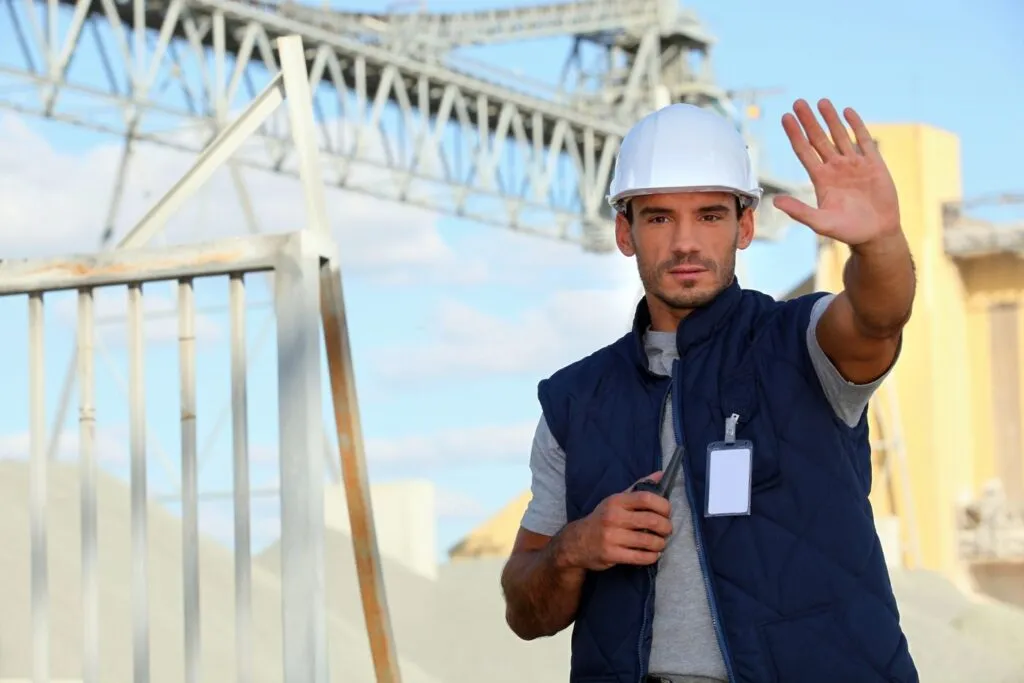
3. Equipment and Material Protection
Construction equipment theft is a major issue across California, often causing project delays and insurance claims. Security guards help protect:
- Heavy machinery
- Copper wiring and raw materials
- Fuel storage and generators
By monitoring high-risk areas and reporting irregularities early, guards help prevent losses that can halt progress and inflate budgets.
4. Incident Reporting and Documentation
Another critical part of the work of a security guard is accurate incident reporting. Guards document:
- Unauthorized access attempts
- Safety hazards
- Damage or theft incidents
Detailed reports provide contractors and property owners with clear records that support insurance claims, internal reviews, and legal compliance.
5. Safety Coordination and Emergency Response
Construction sites must comply with strict safety standards. Guards often work alongside site supervisors to:
- Identify unsafe conditions
- Assist during evacuations or emergencies
- Ensure emergency responders can access the site quickly
This coordination helps protect workers while minimizing downtime caused by preventable incidents.
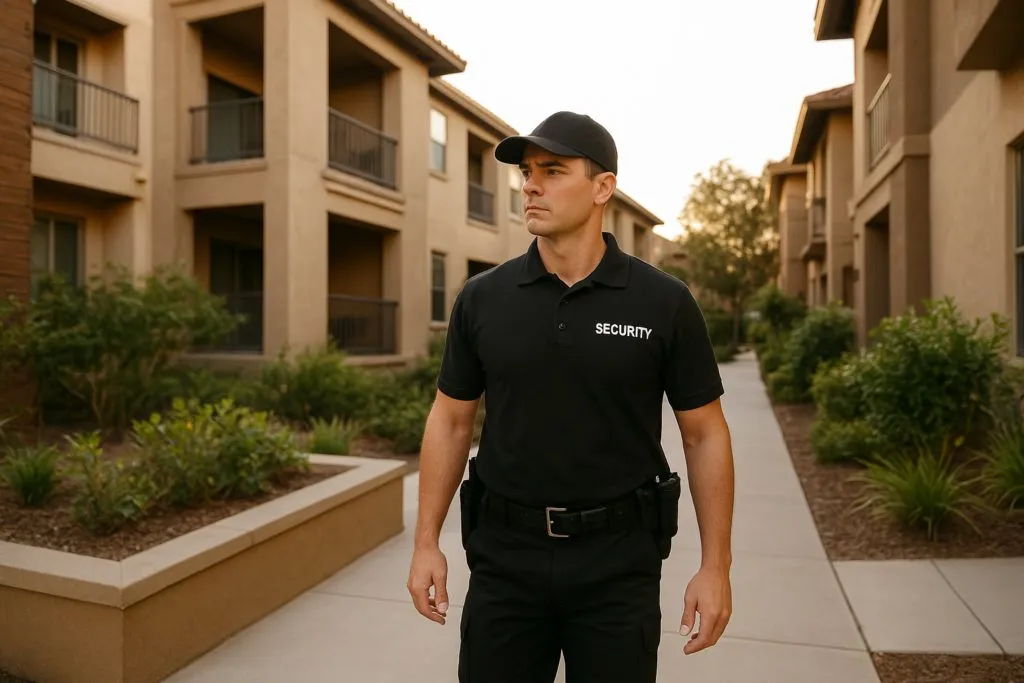
Why Professional Construction Site Security Matters
Using untrained staff or relying solely on cameras can leave gaps in protection. Professional services like construction site security provide trained guards who understand both security protocols and California compliance requirements.
Many contractors also benefit from broader security guard services that scale with different phases of the project from ground-breaking to final completion.
For regulatory context, the California Division of Occupational Safety and Health (Cal/OSHA) outlines safety responsibilities for active construction zones, highlighting the importance of controlled access and hazard prevention.
Secure Your Site Before Problems Start
Construction delays caused by theft or safety incidents can cost far more than proactive security. Understanding how to secure a construction site (and choosing trained, compliant guards) helps protect timelines, budgets, and people.
If you’re planning or managing a build in California, a professional construction site security consultation can help identify risks early and design a security plan that fits your project’s needs.
1. What is the primary work of a security guard on a construction site?
The primary work of a construction site security guard is to prevent theft, control access, and monitor safety risks. Guards patrol the site, verify credentials, protect equipment, and report incidents, helping contractors avoid delays, losses, and compliance issues.
2. How do security guards prevent construction site theft?
Security guards prevent theft through visible patrols, access control, and monitoring high-risk areas such as equipment storage. Their presence deters criminal activity, while prompt reporting allows issues to be addressed before they escalate into major losses.
3. Are security guards required on California construction sites?
Security guards are not legally required on every site, but many California construction projects use them to meet safety expectations, protect assets, and reduce liability. Sites with valuable equipment, long timelines, or public exposure benefit most from professional security coverage.
4. Can security guards help with construction site safety?
Yes. While not safety officers, security guards help identify hazards, enforce restricted areas, and coordinate during emergencies. Their presence supports overall site safety and helps maintain compliance with California regulations.
5. When should construction site security be implemented?
Construction site security should begin as early as site preparation and continue through project completion. Early security helps prevent theft of materials and equipment before building even starts, reducing costly setbacks later in the project.