Employee Login

Why Do I Need Construction Site Security? Key Procedures Every Site Should Follow
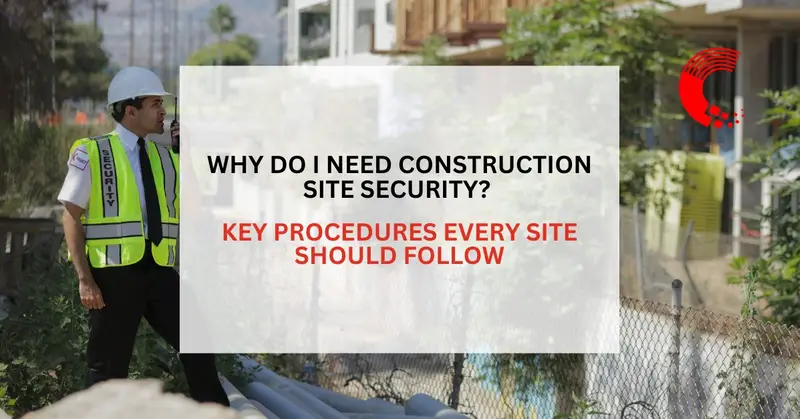
Construction sites across California are expanding rapidly as cities grow and infrastructure projects increase. However, these sites also face significant risks, ranging from equipment theft to vandalism and safety hazards. This is why many contractors ask: why do I need construction site security, and what construction site security procedures should be in place?
The answer is simple: proactive security protects your investment, keeps projects on schedule, and helps prevent costly incidents that can delay construction for weeks or even months.
The Risks Construction Sites Face
Construction sites are often open environments with valuable materials, heavy equipment, and limited oversight after work hours. Criminals commonly target sites because they know tools, copper wiring, and machinery can be quickly resold.
Common risks include:
- Theft of heavy equipment and materials
- Vandalism or property damage
- Trespassing or unauthorized access
- Safety hazards caused by untrained visitors
In California’s busy construction zones (from Los Angeles to the Bay Area) these risks increase during peak building seasons when projects are active and materials are readily available.
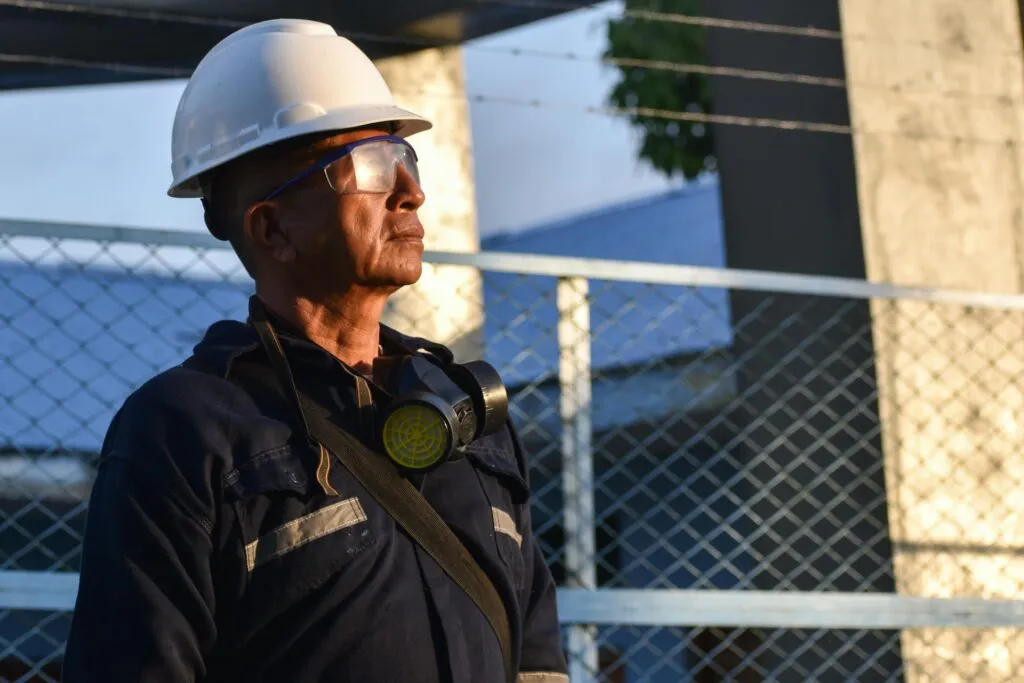
Why Construction Site Security Matters
Without proper security procedures, even a single incident can disrupt progress. Missing equipment or damaged infrastructure can halt work while replacements are ordered and investigations take place.
Professional security services help prevent these disruptions by combining visibility, monitoring, and reporting. Companies offering dedicated construction site security understand the unique challenges of protecting open job sites.
When implemented early, security procedures reduce risk while maintaining compliance with local safety expectations.
Key Construction Site Security Procedures Every Project Should Follow
1. Access Control for Workers and Visitors
One of the most important security procedures is controlling who enters and exits the site. Construction sites should have clearly defined access points where workers, vendors, and visitors are verified before entering.
Security personnel can:
- Check credentials and identification
- Log visitor information
- Restrict entry to authorized personnel only
This prevents unauthorized individuals from entering the site and reduces liability risks.
2. Strong Perimeter Protection
Perimeter fencing is essential for securing construction zones. Fences and locked gates create a clear boundary between the job site and the public.
Effective perimeter protection includes:
- Durable fencing around the entire site
- Secure gates and locks
- Clear warning signage
These measures help deter trespassers and protect both equipment and unfinished structures.
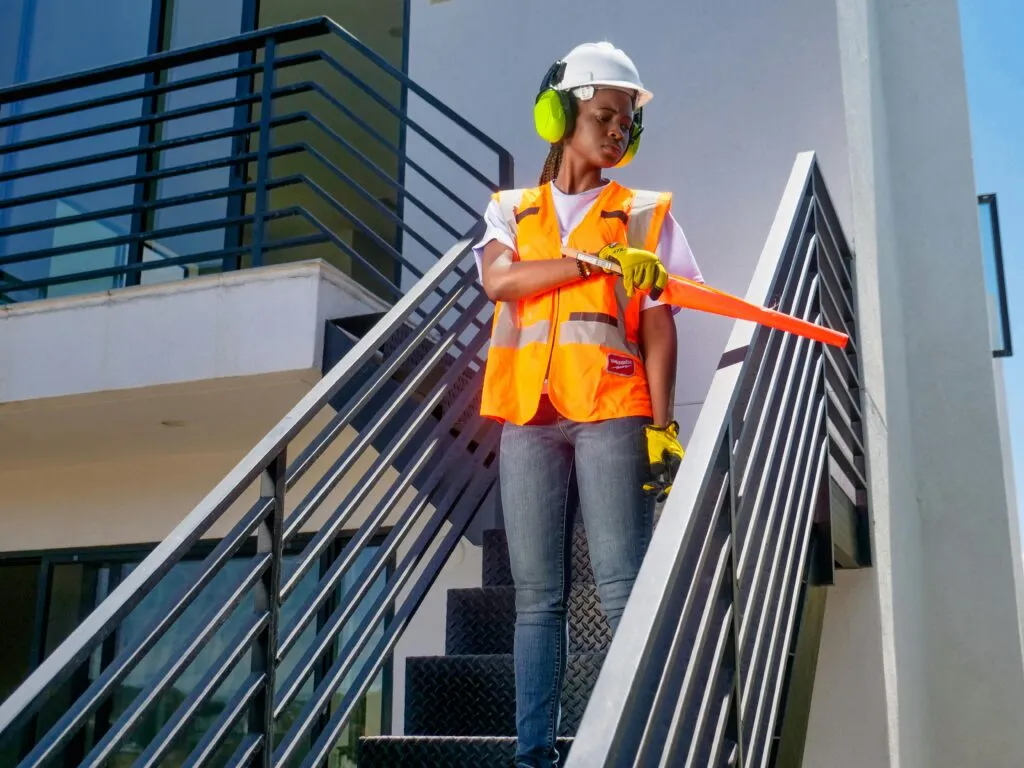
3. Regular Security Patrols
Visible patrols are one of the most effective ways to deter crime. Security guards perform scheduled and random patrols to monitor equipment storage areas, perimeter fencing, and temporary structures.
Patrols also help detect issues early, such as damaged fencing or suspicious activity. Many contractors combine patrol coverage with broader security guard services to maintain consistent protection across the project.
4. Proper Lighting Across the Job Site
Poor lighting makes construction sites easy targets for theft and vandalism. Installing adequate lighting around entrances, storage areas, and equipment zones significantly improves visibility.
Well-lit sites discourage criminal activity while allowing security guards to monitor activity more effectively during nighttime hours.
5. Equipment and Material Protection
Heavy machinery and construction materials are among the most valuable assets on a job site. Protecting them requires strategic placement and monitoring.
Common procedures include:
- Storing equipment in secured areas
- Locking machinery when not in use
- Monitoring high-value materials such as copper wiring
These steps help prevent theft while ensuring the project stays on schedule.
6. Incident Reporting and Documentation
Security guards play a key role in documenting incidents and suspicious activity. Detailed reports help contractors track patterns, support insurance claims, and identify potential vulnerabilities.
Professional reporting systems also ensure that site managers remain informed about security conditions at all times.
For broader guidance on construction site safety standards, the California Division of Occupational Safety and Health provides regulatory information related to construction site hazards and safety practices.
Build Security Into the Project Plan
Construction security should not be an afterthought. The most successful projects integrate security procedures from the beginning, ensuring equipment, workers, and timelines remain protected throughout the building process.If you’re managing a construction project in California, working with professional security specialists can help design a customized construction site security plan that protects both the site and the project’s progress.
1. Why do construction sites need security?
Construction sites contain valuable equipment and materials that are often left unattended after work hours. Security helps prevent theft, vandalism, and trespassing while protecting workers and keeping projects on schedule.
2. What are the most important construction site security procedures?
Key procedures include access control, perimeter fencing, security patrols, proper lighting, equipment protection, and detailed incident reporting. Together, these measures create multiple layers of protection for construction projects.
3. How do security guards help protect construction equipment?
Security guards monitor storage areas, perform patrols, and report suspicious activity. Their visible presence deters theft while ensuring equipment and materials remain secure when the site is closed.
4. Are construction sites common targets for theft?
Yes. Construction sites are frequently targeted because tools, machinery, and materials can be easily resold. Sites without proper security measures are particularly vulnerable during nights, weekends, and holidays.
5. When should construction site security be implemented?
Construction site security should begin as early as site preparation and continue throughout the project. Early protection helps prevent theft of materials and equipment before the building process even begins.