Employee Login

Why Security Guard Services Are Essential for Commercial Properties
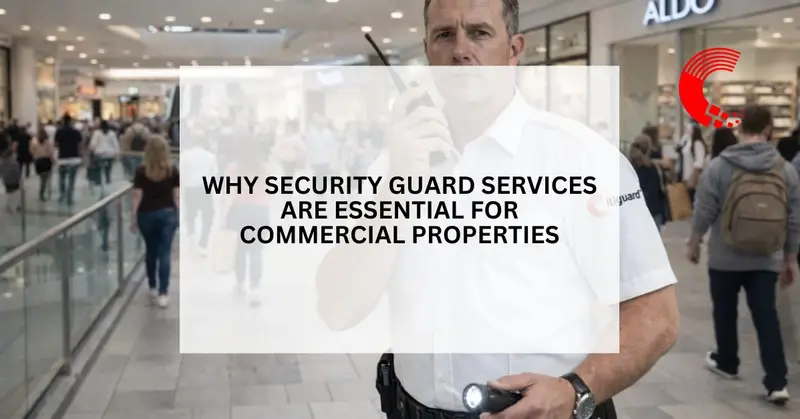
Commercial properties across California (whether office buildings, retail centers, or mixed-use developments) are constantly active. Employees, customers, vendors, and deliveries move in and out throughout the day, creating both opportunity and risk. This is why security guard services for commercial properties are not just a precaution, they are an essential part of maintaining safe, stable, and successful business environments.
For property owners and managers, security is about more than preventing crime. It’s about protecting people, preserving reputation, and ensuring business continuity in high-traffic areas.
The Reality of Risk in Commercial Environments
California’s commercial districts are dynamic, but that also means they face ongoing challenges:
- Theft and shoplifting in retail areas
- Unauthorized access to office buildings
- Parking lot incidents or vandalism
- Workplace disputes or disturbances
Without a structured security presence, these risks can quickly escalate. A single incident can disrupt operations, impact tenant satisfaction, and even lead to financial or legal consequences.
This is where trained security guards make a measurable difference.

How Security Guard Services Protect Commercial Properties
1. Access Control and Entry Monitoring
One of the most important roles of a security guard is managing who enters and exits a property. In busy office buildings or retail environments, this is critical.
Guards help:
- Verify visitors and vendors
- Monitor deliveries and service access
- Restrict entry to authorized individuals
This level of control reduces the likelihood of unauthorized access and keeps both employees and customers safe.
Many commercial properties rely on professional security guard services to maintain consistent access control without disrupting daily operations.
2. Theft Prevention and Loss Reduction
Visible security presence is one of the strongest deterrents against theft. When guards are actively monitoring entrances, patrolling the property, and observing behavior, potential offenders are far less likely to act.
In retail environments, this directly impacts loss prevention. In office settings, it protects valuable equipment and sensitive information.
Prevention is always more cost-effective than dealing with the aftermath of an incident.
3. Routine Patrols and Property Monitoring
Security guards don’t just stay at entrances, they actively patrol the property. These patrols allow them to:
- Identify suspicious activity early
- Check for safety hazards or maintenance issues
- Monitor parking areas and less visible zones
Regular patrols ensure that no part of the property is overlooked. They also create a consistent presence that reinforces safety throughout the entire site.
For larger properties, integrating services like mobile patrol security can expand coverage efficiently.
4. Emergency Response and Incident Handling
When incidents occur, security guards are often the first to respond. Whether it’s a medical emergency, disturbance, or security threat, trained guards can take immediate action.
They are responsible for:
- Contacting emergency services
- Assisting with evacuations
- Managing the situation until authorities arrive
This rapid response helps minimize damage and ensures that situations are handled professionally and calmly.
5. Visible Deterrence and Customer Confidence
One of the most overlooked benefits of security guard services is the psychological impact of a visible presence.
For customers, seeing a professional guard creates a sense of safety. For employees, it provides reassurance. For potential offenders, it signals that the property is actively monitored.
This balance of deterrence and reassurance is especially important in busy California commercial areas where perception plays a big role in business success.

Security as a Business Continuity Strategy
Security is not just about reacting to problems, it’s about preventing disruptions before they happen.
Incidents like theft, vandalism, or safety issues can lead to:
- Temporary closures
- Loss of revenue
- Damage to brand reputation
By investing in professional security, property owners protect not only their physical assets but also their long-term business stability.
For additional workplace safety guidance, the California Division of Occupational Safety and Health provides resources on maintaining safe environments for employees and visitors.
Build a Safer Commercial Environment
Every commercial property has unique needs. A retail center may require visible deterrence and crowd monitoring, while an office building may focus more on access control and visitor management.
The key is working with a professional security provider that understands how to align services with your property’s layout, traffic, and risk level.
If you manage a commercial property in California, requesting a security consultation is the first step toward creating a safer, more controlled environment for everyone on site.
Why are security guard services important for commercial properties?
Security guard services help protect employees, customers, and assets by deterring crime, monitoring access, and responding to incidents. Their presence reduces risk and creates a safer environment in busy commercial areas.
What do security guards do at commercial properties?
Security guards monitor entrances, patrol the property, verify visitors, respond to emergencies, and report incidents. Their role focuses on prevention, visibility, and maintaining order across the property.
Can security guards help reduce theft in retail areas?
Yes. A visible security presence discourages theft and shoplifting. Guards monitor behavior, control access, and respond quickly to suspicious activity, helping reduce losses.
Are security services necessary for office buildings?
Yes. Office buildings benefit from controlled access, visitor verification, and on-site response to incidents. Security helps protect employees and sensitive information.
How do I know what type of security my property needs?
A professional security provider can assess your property’s risks, layout, and traffic to recommend the right level of coverage, whether it’s on-site guards, patrols, or a combination of services.