Employee Login

What Are the Two Types of Security Officers?
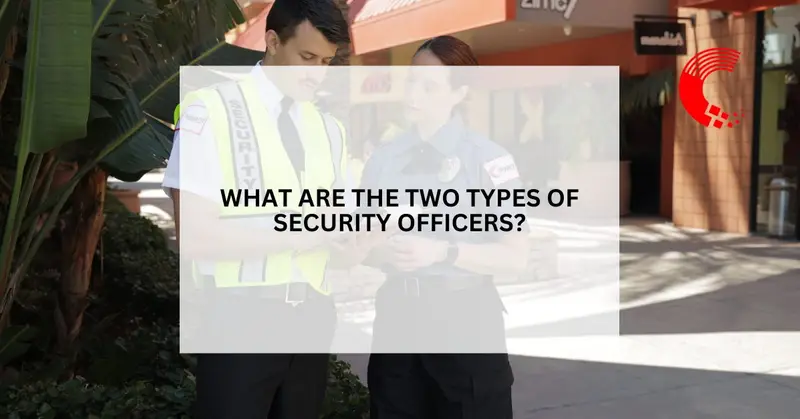
When businesses begin looking for private security, one of the first questions they often ask is: what are the two types of security officers? In most cases, security personnel fall into two primary categories: armed security officers and unarmed security officers.
While both roles are designed to protect people and property, their training, responsibilities, and ideal use cases are very different. Understanding these differences helps businesses choose the right level of protection based on risk, environment, and operational needs.
Why Choosing the Right Security Type Matters
Not every property requires the same level of security. A quiet office building may only need a visible deterrent and visitor management, while a high-risk site handling valuable assets may require trained armed personnel.
Choosing the wrong security setup can lead to:
- Unnecessary liability
- Overpaying for services you do not need
- Inadequate protection for higher-risk situations
That’s why understanding the difference between armed and unarmed officers is an important first step for any business owner or property manager.
1. Unarmed Security Officers
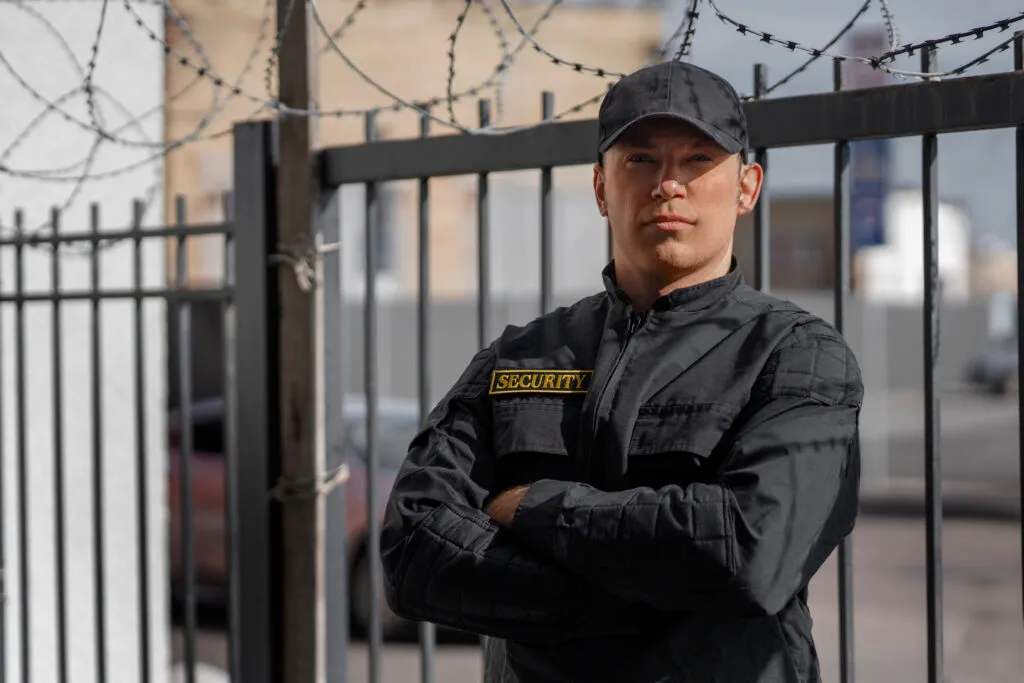
Unarmed security officers are the most common type of private security professional. Their primary role is prevention, observation, and maintaining order through visible presence and communication.
Typical Responsibilities of Unarmed Officers
Unarmed officers commonly handle:
- Access control and visitor monitoring
- Foot and vehicle patrols
- Incident reporting
- Customer and tenant assistance
- De-escalation of conflicts
They focus heavily on deterrence and professionalism rather than force.
For many California businesses, professional security guard services with unarmed officers provide the right balance of safety, visibility, and customer-friendly interaction.
Best Use Cases for Unarmed Security
Unarmed officers are commonly used in:
- Office buildings
- Apartment communities
- Retail centers
- Hotels and hospitality properties
- Schools and commercial lobbies
In these environments, the goal is often to maintain a welcoming atmosphere while still providing safety and structure.
2. Armed Security Officers
Armed security officers carry firearms and are assigned to environments where elevated threats or high-value assets require a stronger level of protection.
Because of the responsibility involved, armed officers must meet additional legal and training requirements.
Additional Training and Licensing
In California, armed officers must:
- Hold an active guard card
- Obtain a firearms permit
- Complete firearm safety and range qualification training
- Meet ongoing requalification requirements
These standards are regulated through the California Bureau of Security and Investigative Services (BSIS), which oversees licensing and compliance for private security professionals.
Typical Responsibilities of Armed Officers
Armed officers may handle:
- High-risk site protection
- Armed patrol services
- Protection of sensitive facilities or assets
- Rapid response in elevated-threat environments
While they carry firearms, their role is still focused on prevention first. The firearm is a last-resort tool used only in situations involving serious threats. Businesses needing a higher level of protection often work with providers offering specialized armed security services tailored to their risk profile.
Key Differences Between Armed and Unarmed Security Officers
Although both officer types share core responsibilities like patrols and incident response, there are important differences.
Level of Risk
- Unarmed officers are best for lower-risk environments focused on visibility and customer interaction.
- Armed officers are used in locations where threats or valuable assets require elevated protection.
Training Requirements
- Unarmed officers complete standard licensing and security training.
- Armed officers complete additional firearms training and legal certification.
Public Perception
Unarmed officers often create a softer, more approachable atmosphere, while armed officers signal a stronger security posture.
The right choice depends on the property’s environment, traffic, and specific concerns.
Which Type of Security Officer Is Right for Your Business?
Every property is different. A retail center in a busy urban area may require a different strategy than a residential community or office complex.
Factors that help determine the right fit include:
- Crime levels in the area
- Property size and layout
- Customer or visitor traffic
- Value of assets on-site
- Operating hours
The best security providers do more than assign guards—they evaluate your environment and recommend a staffing plan that actually matches your risks.
Tailored Security Solutions Matter
Choosing between armed and unarmed officers should never be based on assumptions alone. A professional consultation can help businesses understand what level of security makes sense operationally, financially, and legally.
By working with an experienced provider, businesses can create a safer environment while maintaining professionalism and compliance with California regulations.
1. What are the two types of security officers?
The two primary types of security officers are armed and unarmed officers. Unarmed officers focus on deterrence, monitoring, and customer interaction, while armed officers provide higher-level protection for environments with elevated security risks.
2. What is the difference between armed and unarmed security officers?
The biggest difference is that armed officers carry firearms and complete additional training and licensing requirements. Unarmed officers do not carry weapons and are typically used in lower-risk environments.
3. Are armed security officers required to have special licenses in California?
Yes. Armed security officers in California must obtain a firearms permit in addition to their guard card. They must also complete firearm training and ongoing qualifications through state-regulated programs.
4. Which type of security officer is best for commercial properties?
It depends on the property’s risk level. Many office buildings and retail centers use unarmed officers, while high-risk locations or facilities with valuable assets may require armed security coverage.
5. Can unarmed security officers still prevent crime effectively?
Absolutely. Visible presence, patrols, access control, and de-escalation techniques make unarmed officers highly effective in preventing theft, trespassing, and disturbances in many environments.