Employee Login


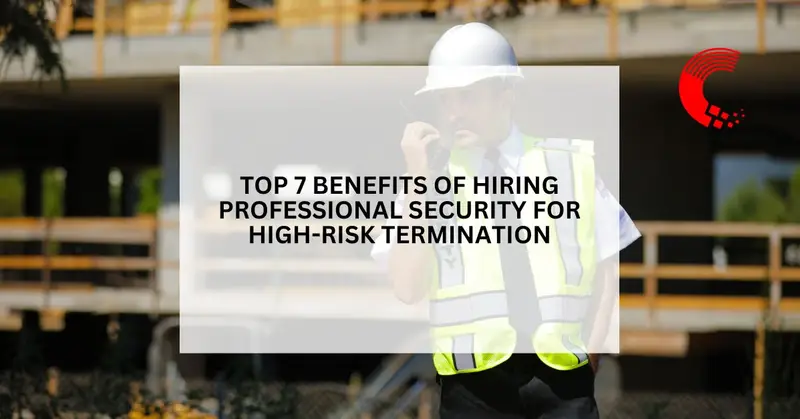
Top 7 Benefits of Hiring Professional Security for High-Risk Terminations
Employee terminations are never easy, but some situations carry a significantly higher level of risk. When tensions are elevated or there are concerns about aggressive behavior, businesses must prioritize the safety of employees, management, and the workplace itself. This is why many California companies are turning to professional security support during sensitive staffing decisions.
Understanding the top 7 benefits of hiring professional security for high-risk terminations can help HR teams and corporate leaders reduce liability, maintain order, and create a safer environment during difficult transitions.
Why High-Risk Terminations Require Extra Precaution
Most terminations end professionally, but certain situations may involve warning signs such as:
- Threatening behavior or verbal hostility
- Emotional instability
- Prior workplace conflicts
- Access to sensitive company information or assets
In these cases, proactive security measures help protect employees while ensuring the process remains calm, controlled, and discreet.
Professional security is not about intimidation, it’s about prevention, de-escalation, and preparedness.

1. De-Escalation During Sensitive Situations
One of the most important benefits of professional security is the ability to de-escalate emotionally charged situations.
Trained security officers understand how to:
- Maintain calm body language
- Defuse confrontations verbally
- Recognize escalating behavior early
Their presence alone often helps reduce emotional reactions and encourages professionalism during difficult conversations.
Businesses that work with experienced security guard services gain access to personnel trained specifically in conflict management and workplace professionalism.
2. Safe Escort Procedures
In high-risk termination situations, security personnel may assist with escort procedures after the meeting concludes.
This can include:
- Escorting the individual from the property calmly
- Monitoring exits and parking areas
- Ensuring there is no disruption to other employees
Professional escorts help maintain dignity while reducing the risk of confrontation or unauthorized re-entry.
3. Access Control and Protection of Sensitive Areas
Terminated employees may still have access credentials, company devices, or knowledge of restricted areas. Security teams help ensure immediate access control by:
- Monitoring entrances and exits
- Coordinating badge deactivation
- Preventing unauthorized return to workspaces
This protects both physical assets and confidential information. For larger office environments, combining on-site officers with mobile patrol services can provide additional perimeter monitoring during and after the termination process.
4. Rapid Emergency Response if Needed
While rare, workplace incidents can escalate quickly. Professional security officers are trained to respond immediately if a situation becomes unsafe.
Their responsibilities may include:
- Contacting law enforcement or emergency services
- Securing employees and workspaces
- Managing evacuation procedures if necessary
Having trained personnel already on-site dramatically improves response time and preparedness.
5. Protecting Employees and Workplace Morale
A difficult termination can impact more than the individual involved—it can affect the entire workplace atmosphere.
Visible but discreet security support reassures employees that:
- Their safety is being prioritized
- Management is handling the situation responsibly
- Preventive measures are in place
This helps maintain morale and reduces anxiety among staff members.
6. Reducing Liability and Operational Risk
California employers have a responsibility to maintain a reasonably safe workplace. Failing to prepare for known risks during a termination could expose businesses to liability if an incident occurs.
Professional security support demonstrates proactive risk management and helps companies:
- Document safety procedures
- Maintain professional protocols
- Reduce operational disruptions
For broader workplace violence prevention guidance, the California Department of Industrial Relations provides resources related to workplace safety planning and employer responsibilities.
7. Maintaining Discretion and Professionalism
One of the biggest misconceptions about workplace security is that it creates unnecessary tension. In reality, experienced officers are trained to operate discreetly and professionally.
The goal is not to create fear, it’s to ensure the process remains:
- Controlled
- Respectful
- Safe for everyone involved
Professional security personnel understand the sensitivity of HR-related situations and know how to support management without drawing unnecessary attention.

Why Businesses Should Plan Ahead
High-risk terminations should never be handled reactively. Planning ahead allows businesses to:
- Assess potential risks
- Coordinate with HR and leadership
- Prepare discreet security coverage if needed
This proactive approach helps prevent situations from escalating while protecting employees, assets, and company operations.
Create a Safer Workplace Environment
Difficult workplace situations require careful handling. By involving trained security professionals, businesses can reduce risk, protect their teams, and ensure sensitive employee terminations are managed safely and professionally.
If your company is preparing for a high-risk termination or workplace concern, consulting with a professional security provider can help create a discreet and effective safety plan tailored to your environment.
1. Why should businesses use security during high-risk terminations?
Professional security helps reduce the risk of workplace violence, protects employees, and ensures the termination process remains calm and controlled. Security personnel also assist with de-escalation and emergency response if needed.
2. What does security do during a workplace termination?
Security officers may monitor entrances, assist with escort procedures, maintain access control, and respond to emergencies. Their role is to ensure safety while supporting a professional environment.
3. Are security guards trained for workplace conflict situations?
Yes. Professional security officers receive training in de-escalation, conflict management, and emergency response. This training helps them manage emotionally charged situations appropriately.
4. Can security support remain discreet during a termination?
Absolutely. Experienced security professionals are trained to operate discreetly and avoid unnecessary attention. The goal is to maintain professionalism and minimize disruption to the workplace.
5. Should businesses plan security before a termination meeting?
Yes. Planning ahead allows HR teams and management to assess risks, coordinate safety procedures, and ensure support is available if the situation escalates unexpectedly.