Employee Login

The Role of Security Guards in Healthcare Facilities
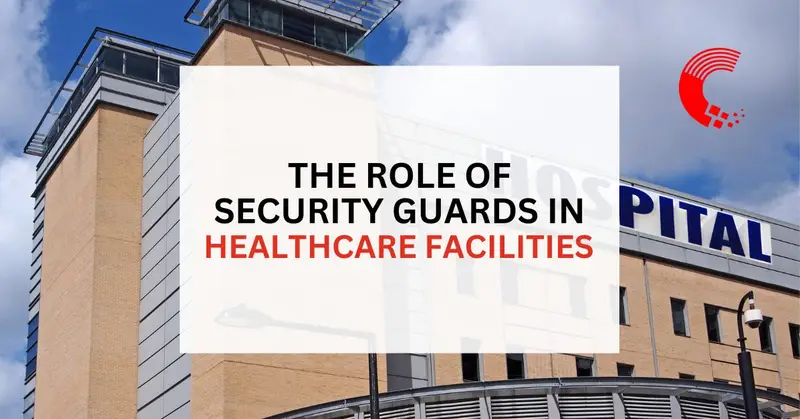
Hospitals, clinics, and medical centers are some of the most sensitive environments in California. These facilities operate around the clock, care for vulnerable patients, and manage high-stress situations daily. With rising safety concerns, increased patient volume, and the growing complexity of medical environments, healthcare facility security guards play an essential role in maintaining order, protecting staff, and ensuring a secure environment.
Professional security personnel help healthcare facilities function smoothly by safeguarding people, property, and sensitive medical areas. Their presence provides reassurance to patients, families, healthcare professionals, and administrative teams.
Why Security Is Essential in Healthcare Settings
Healthcare environments face a unique combination of challenges:
- Large numbers of visitors
- High emotional stress among patients and families
- Sensitive medical equipment and medications
- Restricted and high-risk areas
- Emergency room volatility
- Night-shift vulnerabilities
Security guards help mitigate these challenges through proactive monitoring, quick response, and continuous protection.
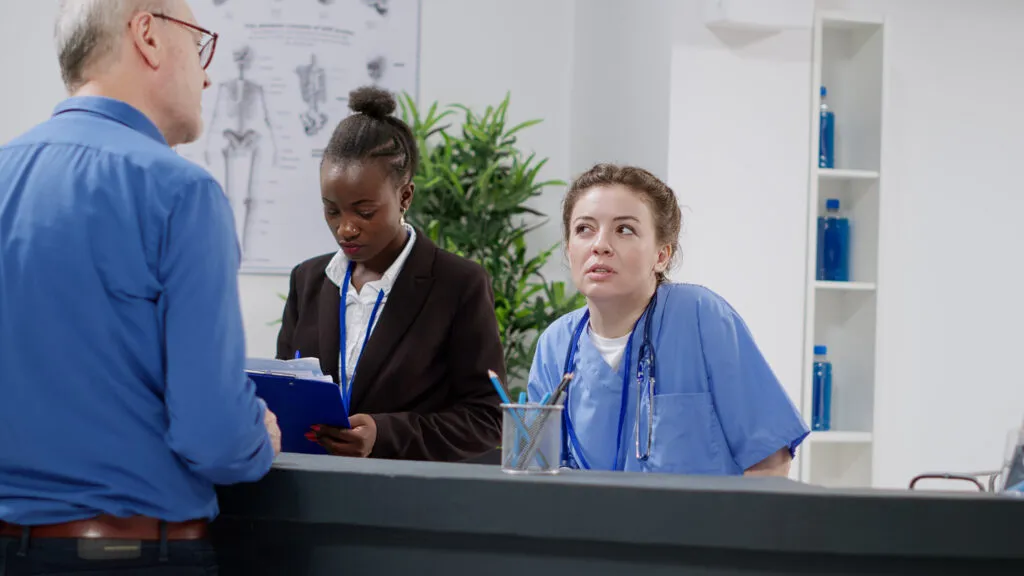
Access Control: Restricting Sensitive Areas
Hospitals contain restricted zones such as ICUs, pharmacies, neonatal units, and surgical floors. Guards ensure that only authorized individuals, medical staff, approved visitors, and cleared personnel, can access these spaces.
Their responsibilities include:
- Badge and credential verification
- Visitor sign-in processes
- Escorting guests to designated areas
- Monitoring entry and exit points
- Preventing unauthorized access
This level of control supports both safety and HIPAA privacy standards.
Learn more about our security programs at Citiguard Security Services
Emergency Response & Crisis Handling
Medical facilities frequently deal with unpredictable emergencies beyond medical crises. Security guards play a crucial role in:
- Responding to disruptive individuals
- Assisting during fire alarms or evacuations
- Supporting staff during violent incidents
- Guiding patients and visitors during emergencies
- Communicating with first responders
Because hospitals operate 24/7, having trained personnel on-site ensures immediate action when every second matters.
Protecting Patients and Supporting Staff
Patients in hospitals, especially those in critical care, psychiatric units, or emergency rooms—may be vulnerable, disoriented, or emotionally distressed. Security guards help keep them safe by:
- Monitoring behavioral health units
- Assisting in patient restraint protocols when medically necessary
- Preventing self-harm or harm toward others
- Keeping sensitive rooms secure
- Supporting nurses and doctors during incidents
Their presence helps healthcare teams focus on medical care rather than physical security concerns.
De-Escalation & Conflict Management
High-stress environments often lead to conflict. Security guards trained in de-escalation techniques can prevent situations from escalating into violence.
Guards are trained to:
- Recognize early signs of agitation
- Use verbal strategies to calm individuals
- Maintain space and manage crowd control
- Intervene safely when threats arise
Given the emotional intensity inside emergency rooms or waiting areas, skilled de-escalation is one of the most valuable contributions healthcare security guards provide.
Visitor Management & Customer Support
Hospitals receive a constant flow of family members, delivery staff, vendors, maintenance crews, and more. Security guards help maintain order by:
- Directing visitors and answering questions
- Verifying identities
- Managing peak-hour traffic
- Monitoring waiting rooms
- Ensuring visiting hours are respected
They serve as both protectors and customer service ambassadors, contributing to a welcoming yet controlled environment.
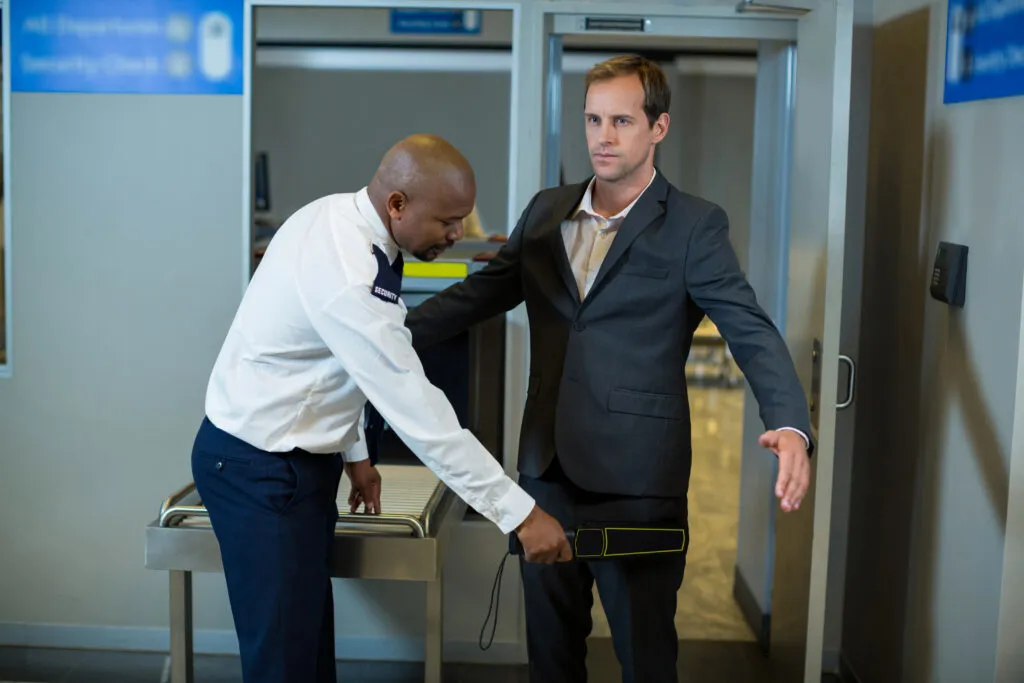
Supporting California Healthcare Safety Regulations
California has strict safety expectations for hospitals and medical facilities. Security guards help meet those responsibilities by enforcing regulations, keeping records, and maintaining compliance during inspections or audits.
Industries served include:
- Hospitals
- Urgent care centers
- Mental health facilities
- Outpatient clinics
- Dialysis centers
- Rehabilitation centers
Citiguard provides experienced guards who understand California-specific healthcare safety standards.
Learn more about partnering with Citiguard for healthcare security: Contact Citiguard
Conclusion: A Trusted Partner for Healthcare Protection
Healthcare facilities require a delicate balance of compassion, structure, and safety. Security guards are essential in protecting patients, staff, and property while maintaining order in high-pressure environments.
Citiguard’s healthcare security professionals bring professionalism, training, and reliability to every shift—ensuring a safe and calm environment for all.
Learn more about healthcare safety guidelines
1. Why do healthcare facilities need security guards?
Hospitals and clinics face high stress, large visitor volumes, and sensitive environments. Security guards maintain order, protect vulnerable patients, and respond quickly to emergencies. Their presence ensures a safer, more controlled atmosphere for staff, patients, and visitors.
2. What training do healthcare security guards receive?
Professional guards are trained in access control, de-escalation, emergency response, patient interaction, and basic privacy awareness related to healthcare environments. This training allows them to handle sensitive situations with professionalism, calmness, and respect for staff and patient needs.
3. Can security guards help during medical emergencies?
While they do not replace medical professionals, security guards assist by securing the scene, guiding visitors, supporting staff, and coordinating with first responders. Their quick response helps maintain safety, clear pathways, and order during medical or security emergencies inside healthcare facilities.
4. How do guards manage disruptive or aggressive individuals?
Healthcare security guards use de-escalation skills, calm communication, and safe positioning to reduce tension. When necessary, they follow facility protocols for restraint and incident reporting. Their goal is to protect staff and patients while resolving conflicts with minimal disruption.
5. How does Citiguard support healthcare facilities in California?
Citiguard provides trained, licensed security guards familiar with California healthcare environments. Our teams offer 24/7 coverage, visitor management, access control, emergency support, and customized security plans designed to meet the specific safety needs of hospitals and clinics.